The History of Feather Flag Printing
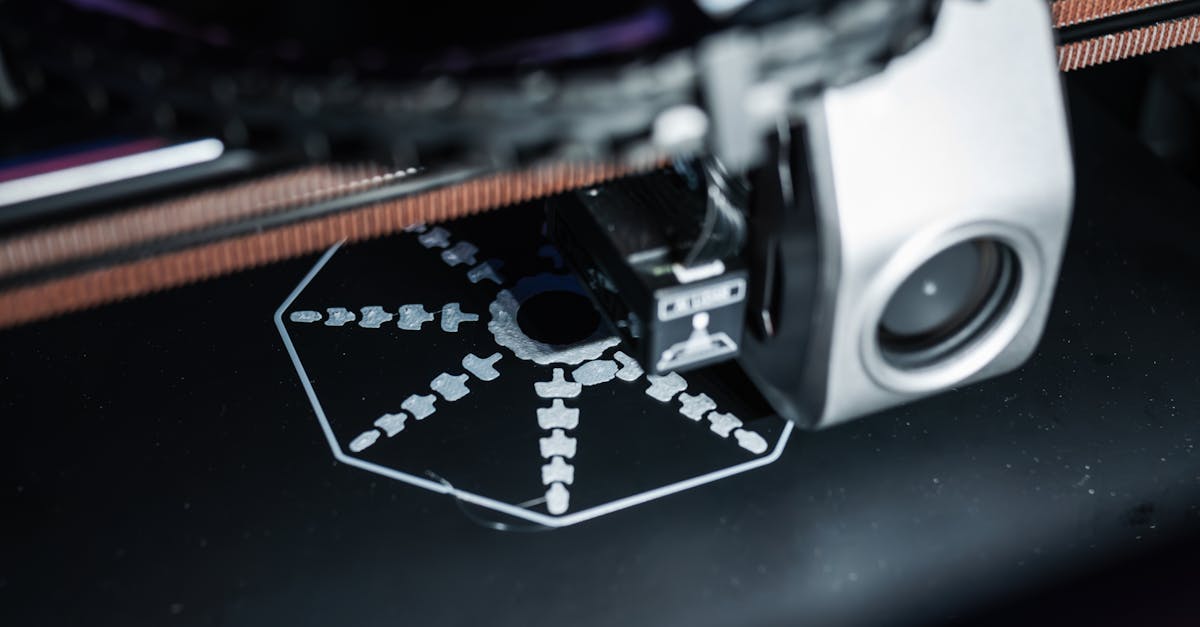
Direct to fabric printing involves a meticulous process that requires stringent quality control measures to ensure the final output meets the desired standards. One crucial aspect of quality control in fabric printing is colour accuracy and consistency. It is imperative to maintain precise colour matching throughout the printing process to guarantee that the colours appear vibrant and true to the original design. Any deviation from the desired colours can result in a subpar final product that fails to meet customer expectations.
Global Spread of Feather Flag PrintingIn addition to colour accuracy, customisation and personalisation options play a significant role in fabric printing. The ability to offer various print sizes and placement options allows for greater flexibility and creativity in design. By providing customisation choices to customers, fabric printers can cater to individual preferences and unique design requirements. This level of personalisation enhances customer satisfaction and sets the printing service apart from competitors.
Feather flag printing has seen a rapid global spread in recent years, becoming a popular choice for businesses and organisations looking to attract attention in a visually appealing way. This trend can be attributed to the flags' versatility, durability, and eye-catching designs that make them stand out in various settings, from trade shows to outdoor events and retail spaces.Colour Accuracy and Consistency
From bustling city streets in London to serene beaches in Australia, feather flags have become a common sight across the globe. Their distinctive shape and vibrant colours make them a versatile marketing tool that can effectively communicate brand messages and draw in potential customers. As businesses continue to recognise the impact of visual marketing, feather flags are likely to maintain their popularity and play a significant role in advertising strategies worldwide.When considering direct to fabric printing, colour accuracy and consistency are crucial factors to pay attention to. Ensuring that the colours match the original design and are consistent across all printed materials is essential for achieving high-quality results. Inaccurate colours or inconsistencies can detract from the overall appearance of the final product, so it is important to work with a printing method that can deliver precise and consistent colours.
Influence of flags in different parts of the worldOne way to guarantee colour accuracy and consistency is to use a printing method that offers advanced colour management options. This includes the ability to calibrate printers, adjust colour profiles, and monitor colour output throughout the printing process. By implementing these measures, you can achieve the desired colour accuracy and ensure that each printed fabric piece matches the intended design specifications.
Flags have played a significant role in various cultures around the world for centuries. In Asia, particularly in countries like Japan and China, flags are deeply intertwined with religious and spiritual practices. These flags are often used as symbols of protection, luck, or blessings, and can be found adorning temples, homes, and public spaces. In India, flags are used in religious ceremonies, festivals, and processions, symbolizing cultural identity and values.Customisation and Personalisation Options in Fabric Printing
In Europe, flags have been used historically as symbols of national pride, identity, and unity. Countries like the United Kingdom, France, and Germany have iconic flags that represent their history, values, and sovereignty. Flags have also been used in European history to rally troops, mark territories, and communicate messages during times of war and peace. Throughout the continent, flags are flown during national holidays, sporting events, and official ceremonies, serving as powerful symbols of unity and patriotism.When it comes to fabric printing, the ability to customise and personalise designs is a key factor to consider. Direct to fabric printing offers a wide range of options for creating unique and bespoke textiles. Whether you are looking to print a large-scale pattern or a small intricate design, the flexibility of this method allows for endless possibilities.
Marketing and Advertising with Feather FlagsOne of the main advantages of direct to fabric printing for customisation is the ability to easily incorporate personalised elements into the fabric. From adding names, dates, or custom messages to integrating specific colours or images, this method allows for full creative control over the design process. Whether you are creating custom clothing, home decor items, or promotional materials, direct to fabric printing offers a versatile and efficient way to bring your unique vision to life.
Feather flags have become a popular choice for businesses looking to enhance their marketing and advertising efforts. These eye-catching flags are versatile and can be used in various settings to attract attention and increase brand visibility. Whether it's at a trade show, outside a storefront, or at a promotional event, feather flags are an effective way to draw in potential customers and promote products or services.Print Size and Placement
One of the key advantages of using feather flags in advertising is their mobility. Businesses can easily move these flags around to different locations, making them a flexible and cost-effective marketing tool. With vibrant colours and customisable designs, feather flags offer a unique way to stand out from competitors and create a lasting impression on target audiences.When considering the print size and placement for direct to fabric printing, it is essential to pay close attention to the overall design and intended effect. The size of the print can greatly impact how the final product looks and feels, so it is crucial to balance it with the fabric's dimensions. For example, a large design on a small piece of fabric may overwhelm the overall look, while a small design on a large piece may get lost.
How flags are used in promotional strategiesPlacement of the print is equally important, as it can determine the garment's visual appeal and functionality. Whether you are printing on a t-shirt, dress, or any other fabric item, consider how the design will interact with the fabric's seams, pockets, and contours. A well-placed print can enhance the garment's overall aesthetic, while a poorly positioned one may detract from its overall appeal. Take time to carefully plan the placement of your print to ensure a visually pleasing and cohesive final product.
Feather flags have become a popular choice for businesses looking to enhance their promotional strategies. These flags are versatile, eye-catching, and easily customizable, making them an ideal tool for attracting attention and increasing brand awareness. Whether placed outside a storefront, at an event, or along a busy street, feather flags are effective in capturing the interest of passersby and drawing them towards the advertised products or services.Maintenance and Care Requirements for Printed Fabrics
In promotional strategies, feather flags are often used to communicate key messages in a concise yet impactful manner. Businesses can display their logo, slogans, product images, or promotional offers on these flags to create a visual representation of their brand. By strategically placing feather flags in high-traffic areas or near their point of sale, companies can effectively drive foot traffic and encourage impulse purchases. Additionally, these flags can be easily moved and rearranged, allowing businesses to adapt their marketing message quickly and stay relevant in a competitive market.When it comes to maintaining and caring for printed fabrics, it is essential to follow specific guidelines to ensure the longevity and vibrancy of the design. One key aspect of preserving printed fabrics is to always adhere to the recommended washing instructions provided by the manufacturer. This typically involves using a gentle cycle, cold water, and mild detergent to prevent any damage to the print.
Environmental Impact of Flag PrintingAdditionally, it is crucial to avoid using harsh chemicals, bleach, or strong detergents when washing printed fabrics. These substances can cause fading, bleeding, or even disintegration of the print over time. Instead, opt for a gentle fabric softener to maintain the softness of the fabric while keeping the print looking fresh and vibrant. By following these care instructions diligently, you can enjoy your printed fabrics for years to come.
Feather flag printing has witnessed a surge in popularity due to its effectiveness in advertising and promoting businesses. However, the environmental impact of flag printing cannot be overlooked. The printing process often involves the use of various chemicals, inks, and dyes that can be harmful to the environment if not disposed of properly.Washing and Durability
Additionally, the production of flags consumes significant amounts of energy and resources, contributing to carbon emissions and waste generation. As more businesses turn to feather flags for their marketing needs, it is crucial for the industry to adopt more sustainable practices to reduce its environmental footprint.When it comes to maintaining printed fabrics, proper washing and care are crucial for ensuring the longevity of the designs. Most direct to fabric printing methods require specific washing instructions to preserve the vibrancy and integrity of the prints. It is recommended to use mild detergents, wash garments inside out, and opt for a gentle cycle to avoid damaging the printed design.
Sustainability practices in the flag printing industryAdditionally, durability is a key factor to consider when choosing a direct to fabric printing method. The durability of printed fabrics can vary depending on the type of ink used and the fabric itself. In general, pigment-based inks tend to offer better wash and rub fastness compared to dye-based inks. It is essential to select a printing method that provides durable prints to ensure that your designs remain vibrant and intact even after multiple washes.
Sustainability practices have become increasingly important in the flag printing industry. With the growing concern for environmental issues, many companies are adopting eco-friendly methods to reduce their impact on the planet. One common practice is using water-based inks that are more environmentally friendly compared to traditional solvent-based inks. These water-based inks contain fewer volatile organic compounds, making them safer for both workers and the environment.FAQS
Another key practice in promoting sustainability in flag printing is the use of recycled materials. By using recycled fabrics, such as polyester made from recycled plastic bottles, companies can reduce the amount of waste produced and decrease the demand for new materials. This not only helps to conserve resources but also minimises the energy required to produce new materials. Overall, these sustainability practices are vital for the flag printing industry to move towards a more eco-conscious future.What quality control measures should I consider when choosing a direct to fabric printing method?
FAQSWhen selecting a direct to fabric printing method, it is crucial to consider factors such as print resolution, colour vibrancy, and overall print quality. Look for a provider that offers high-quality printing equipment and has strict quality control measures in place.
When did feather flag printing first originate?How important is colour accuracy and consistency in direct to fabric printing?
Feather flag printing has been around for centuries, with evidence of its use dating back to ancient civilizations such as China and Egypt.Colour accuracy and consistency are essential in direct to fabric printing to ensure that the final printed product matches your design specifications. Make sure the printing method you choose can accurately reproduce the colours you desire across different fabric types.
How has feather flag printing evolved over time?Can I personalise and customise my fabric prints with direct to fabric printing?
Feather flag printing has evolved from hand-painted designs on fabric to modern digital printing techniques, allowing for more intricate and detailed designs.Yes, many direct to fabric printing methods offer customisation and personalisation options, allowing you to create unique and tailored designs. Consider the level of customisation available, such as print size and placement, when choosing a printing method.
What are some common uses of feather flags in different parts of the world?What factors should I consider when determining the print size and placement for my fabric prints?
Feather flags have been used for various purposes globally, including cultural celebrations, military symbolism, and advertising campaigns.When deciding on print size and placement for your fabric prints, consider the intended use of the fabric, the size of the design, and any specific design requirements. Choose a printing method that allows for flexibility in print size and precise placement on the fabric.
How effective are feather flags in marketing and advertising?How do I maintain and care for fabrics printed using direct to fabric printing methods?
Feather flags are highly effective in grabbing attention and increasing brand visibility, making them a popular choice for outdoor advertising and promotional events.To ensure the longevity of fabrics printed using direct to fabric printing methods, follow the maintenance and care instructions provided by the printing provider. Consider factors such as washing temperature, detergent type, and durability requirements when caring for printed fabrics.
What are some sustainable practices in the flag printing industry?
Sustainable practices in the flag printing industry include using eco-friendly inks, recycled materials, and implementing energy-efficient production processes to reduce environmental impact.