Choosing the Right Heat Transfer Paper for Your Project

What Makes a Good Logo Placement for Feather Flag PrintingWhen selecting the appropriate heat transfer paper for your project, it is essential to consider the type of material you will be transferring the design onto. Different heat transfer papers are formulated to work optimally with specific fabrics. For instance, there are papers designed for use on cotton, polyester, or a blend of materials. Understanding the composition of your garment will help in choosing the right paper to achieve the best results.

Another factor to keep in mind is the desired finish of your design. Some heat transfer papers are tailored for light-colored fabrics, while others are better suited for dark-colored materials. Additionally, consider whether you prefer a matte or glossy finish for your design, as this will influence the choice of heat transfer paper. By carefully considering these aspects, you can ensure that the paper you select aligns with the requirements of your project, resulting in a high-quality and durable transfer. Understanding the differences between paper types When selecting heat transfer paper for your project, it is crucial to understand the variations between different paper types to achieve optimal results. One common type is light transfer paper, which is best suited for white or light-colored fabrics. This paper allows for vibrant and crisp prints, ensuring that the design stands out effectively. On the other hand, dark transfer paper is specifically designed for dark-colored fabrics, providing a white background to ensure the design's colors appear vividly. Aside from light and dark transfer paper, there are also specialty options available, such as sublimation paper and glitter transfer paper. Sublimation paper is ideal for printing on materials like mugs, phone cases, and polyester fabrics, as the ink is infused into the material rather than sitting on top. Glitter transfer paper, as the name suggests, adds a sparkling finish to designs, ideal for creating eye-catching apparel or accessories. Understanding the unique properties of each type of heat transfer paper will help you choose the most suitable option for your specific project requirements.
Recommended Maintenance Practices for Heat Press Machines To ensure the longevity and optimal performance of your heat press machine, it is crucial to adhere to recommended maintenance practices. Regular cleaning and greasing of machine components are essential tasks that should be carried out on a consistent basis. By regularly cleaning your machine, you can prevent the buildup of dirt and residue that may affect its functionality. Greasing machine components, such as the platen and hinges, will help to reduce friction and ensure smooth operation during the heat press printing process.
What Makes a Good Logo Placement for Feather Flag Printing
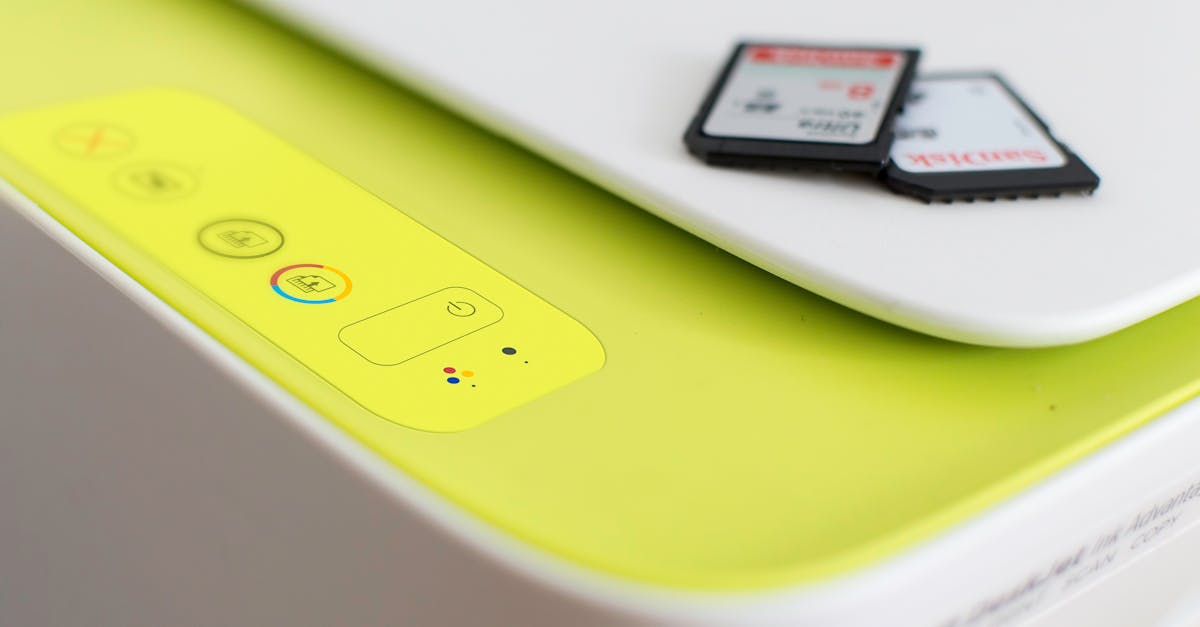
In addition to regular cleaning and greasing, it is important to inspect your heat press machine for any signs of wear and tear. Check for loose screws, damaged wiring, or any other potential issues that may impact the performance of the machine. By addressing these issues promptly, you can prevent further damage and prolong the lifespan of your heat press machine. Regular cleaning and greasing of machine components
Regular maintenance is crucial when it comes to ensuring the smooth operation of heat press machines. It is recommended to establish a routine for cleaning and greasing machine components to prevent build-up and malfunction. The process involves removing any residue or debris from the heating element, platen, and other relevant parts. Additionally, applying a high-quality grease to pivot points and moving components will help maintain optimal performance and extend the lifespan of the machine.

By following a regular cleaning and greasing schedule, operators can minimise the risk of machine breakdowns and ensure consistent results in heat transfer printing. Neglecting this maintenance aspect can lead to decreased efficiency, poor print quality, and potentially costly repairs. Therefore, dedicating time to upkeep the machine will not only prolong its longevity but also contribute to the overall success of heat transfer projects.

Utilising Negative Space for Logo PlacementEnhancing Wash Fastness of Heat Transfer Prints

When it comes to designing feather flags for your business, maximizing the impact of your logo placement is crucial. Utilising negative space effectively can help draw attention to your logo and make it more visually appealing. Negative space refers to the empty or open areas around and between the elements of a design. By strategically placing your logo in these spaces, you can create a harmonious balance that enhances the overall aesthetic of your feather flag.Ensuring the wash fastness of heat transfer prints is crucial to maintain the longevity of your designs. One effective method to enhance the durability of prints is by applying a post-print treatment. This involves using a heat press machine to cure the design properly onto the fabric, ensuring it withstands repeated washes without fading or peeling.

One key aspect to consider when utilising negative space for logo placement is maintaining simplicity. Cluttering the design with too many elements can dilute the impact of your logo and make it difficult for viewers to focus on the main message. By allowing sufficient empty space around your logo, you can create a clear focal point that captures attention and conveys your brand identity effectively. Be deliberate in your choices and consider how the negative space can complement and elevate your logo placement on the feather flag.Additionally, choosing high-quality heat transfer paper can contribute significantly to the wash fastness of your prints. Opt for papers specifically designed for durability and vibrancy, as they are more likely to retain their original appearance after multiple wash cycles. By taking these steps, you can prolong the lifespan of your heat transfer prints and enjoy their vibrant look for a longer period.

Balance and CompositionPostprint treatment methods for longevity

When it comes to designing a feather flag, achieving a good balance and composition for logo placement is crucial. Balance refers to the distribution of visual weight across the flag, ensuring that no single element overpowers the rest. An unbalanced design can make the flag appear cluttered and distracting, diminishing its overall effectiveness in attracting attention. By strategically placing your logo in relation to other elements on the flag, you can create a harmonious composition that is visually pleasing and easy to interpret.Once the heat transfer printing process is completed, it is crucial to ensure that the prints maintain their quality and longevity. Post-print treatment methods play a significant role in enhancing the durability of heat transfer prints, especially when subjected to multiple washes. One effective method is to cover the printed area with a protective overlay, such as a silicon sheet, before applying heat. This additional layer helps to shield the print from direct contact with the heat press, reducing the risk of damage and fading over time.

Consider the size and placement of your logo in relation to other design elements such as text, graphics, and background colours. Experiment with different arrangements to find the optimal balance that highlights your logo while complementing the overall design of the feather flag. Keep in mind that simplicity is key to achieving balance and composition - avoid overcrowding the flag with too many elements that may compete for attention. By carefully considering these aspects during the design process, you can create a feather flag that effectively conveys your brand message and captures the interest of your target audience.In addition to using a protective overlay, another post-print treatment method to consider is curing the prints. This involves exposing the transferred design to heat for a longer duration at a lower temperature. Curing helps to set the print into the fabric more securely, increasing its wash fastness and resistance to fading. By implementing appropriate post-print treatment methods, you can ensure that your heat transfer prints maintain their vibrancy and quality for an extended period.

Testing Logo Placement for Optimal ResultsFAQS

When it comes to testing logo placement for optimal results on feather flag printing, it is crucial to consider various factors that can impact the overall effectiveness of the design. One key aspect to focus on during testing is the visibility of the logo from different viewing angles. By placing the flag at various heights and distances, you can determine the best position that ensures the logo is easily visible and recognisable.What are the key factors to consider when choosing the right heat transfer paper for my project?

Another important element to test is the contrast between the logo and the background. It is essential to ensure that the logo stands out and is clearly distinguishable, even from a distance. By experimenting with different background colours and patterns, you can find the combination that makes the logo pop and attract the attention of passers-by. Testing logo placement is a vital step in the design process that can greatly impact the effectiveness of feather flag printing in promoting your brand or message.When selecting heat transfer paper, consider the type of fabric you are using, the complexity of your design, the desired durability of the print, and the method of application.

A/B Testing and FeedbackWhat are the main differences between the various types of heat transfer paper available?

When it comes to determining the most effective logo placement for feather flag printing, A/B testing and feedback play a crucial role. A/B testing involves comparing two different versions of the feather flag design with the logo placed in varying positions. By exposing the designs to a target audience and collecting feedback, you can gather valuable insights on which placement attracts more attention and resonates better with viewers.Heat transfer papers differ in terms of compatibility with different fabrics, printing methods (inkjet, laser, sublimation), and the type of finish (glossy, matte). Understanding these differences is crucial for achieving the desired results.

Feedback obtained from A/B testing can provide valuable data on factors such as visibility, brand recognition, and overall impact of the logo placement on the feather flag. By analysing the feedback received from participants, you can make informed decisions on the most optimal logo placement that will enhance brand visibility and effectively communicate your message. This iterative process allows for continuous improvement and fine-tuning of the logo placement to achieve the desired results.How can I ensure the longevity of my heat press machine?

Adapting Logo Placement for Different Feather Flag SizesRegular maintenance practices such as cleaning the machine components, greasing moving parts, and following manufacturer guidelines for upkeep can help prolong the lifespan of your heat press machine.

When it comes to adapting logo placement for different feather flag sizes, one must consider how the logo will appear on varying dimensions of the flag. A key aspect to keep in mind is maintaining the visibility and clarity of the logo regardless of the flag's size. Ensuring that the logo remains recognisable and impactful from a distance is crucial in effectively communicating the brand message.What steps can I take to enhance the wash fastness of heat transfer prints?

Moreover, scaling and proportions play a significant role in determining the optimal logo placement for different feather flag sizes. It is essential to strike a balance between the size of the logo and the overall design of the flag to create a visually appealing and harmonious look. By carefully adjusting the logo's size and position based on the flag's dimensions, one can achieve a cohesive and professional appearance that enhances the overall branding effort.To improve the durability of heat transfer prints, consider using post-print treatment methods such as heat curing, washing garments inside out, avoiding harsh detergents, and following specific care instructions for the fabric.

Scaling and ProportionsIs it necessary to clean and grease the components of a heat press machine regularly?

When considering logo placement on feather flags, scaling and proportions play a crucial role in ensuring the overall visual impact and effectiveness of the design. The size of the flag must be taken into account when determining the appropriate dimensions for the logo. A logo that is too small may be overlooked, while one that is too large can overwhelm the design and detract from the message.Yes, regular cleaning and greasing of the machine components are essential to prevent build-up of residue, ensure smooth operation, and extend the longevity of your heat press machine.

Maintaining a sense of balance and proportion is key when scaling the logo for a feather flag. The logo should be scaled in proportion to the size of the flag to create a cohesive and visually appealing design. Additionally, the placement of the logo on the flag should be considered in relation to other design elements to achieve a harmonious overall look.

FAQS

Why is logo placement important for feather flag printing?Related Links

Logo placement plays a crucial role in feather flag printing as it helps in brand recognition and visibility, making it easier for customers to identify your business or event.Why Digital Printing is the Future of Feather Flag Printing

How can negative space be utilised for effective logo placement on feather flags?What Are the Benefits of Screen Printing

By strategically using negative space around the logo, you can enhance its visibility and ensure that it stands out against the background, making it more eye-catching for viewers.How to Choose the Right Printing Technique for your Feather Flags

What factors should be considered for achieving balance and composition in logo placement on feather flags?A Roundup of the Most Popular Printing Techniques

When designing the placement of your logo on feather flags, it is important to consider factors such as symmetry, proportion, and alignment to achieve a visually appealing and well-balanced composition.Review of the Best Feather Flag Printing Techniques

Why is testing logo placement important for optimal results in feather flag printing?The Top 10 Tips for Successful Printing Techniques

Testing logo placement through methods like A/B testing allows you to gather feedback from viewers and make data-driven decisions to determine the most effective placement for your logo on feather flags.Why Dye Sublimation Printing is Ideal for Feather Flags

How can logo placement be adapted for different sizes of feather flags?How to Achieve High-Quality Dye Sublimation Printing

Adapting logo placement for different feather flag sizes involves scaling and adjusting the proportions of the logo to maintain visibility and impact, ensuring that it remains prominent regardless of the flag size.


Related Links

Why Text and Image Balance is Important in Feather Flag Design
What Image Resolution is Best for Feather Flag Printing
Roundup of the Best Feather Flag Printing Techniques
Feather Flag Printing: A Comprehensive Review
5 Tips for Designing Feather Flags
Why Image Resolution Matters in Feather Flag Printing
How to Choose the Right Colors for Your Feather Flag

Terms of Use